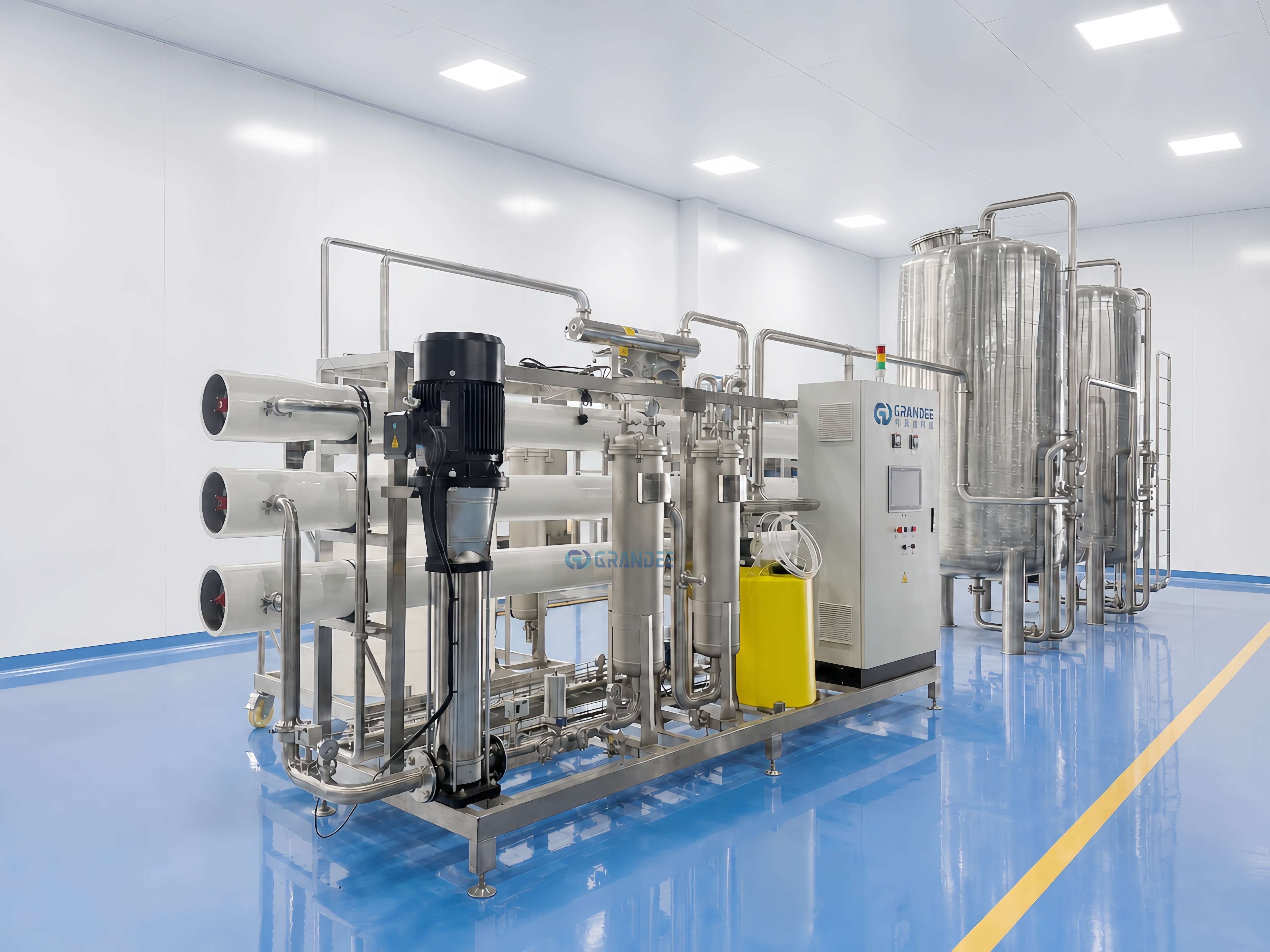
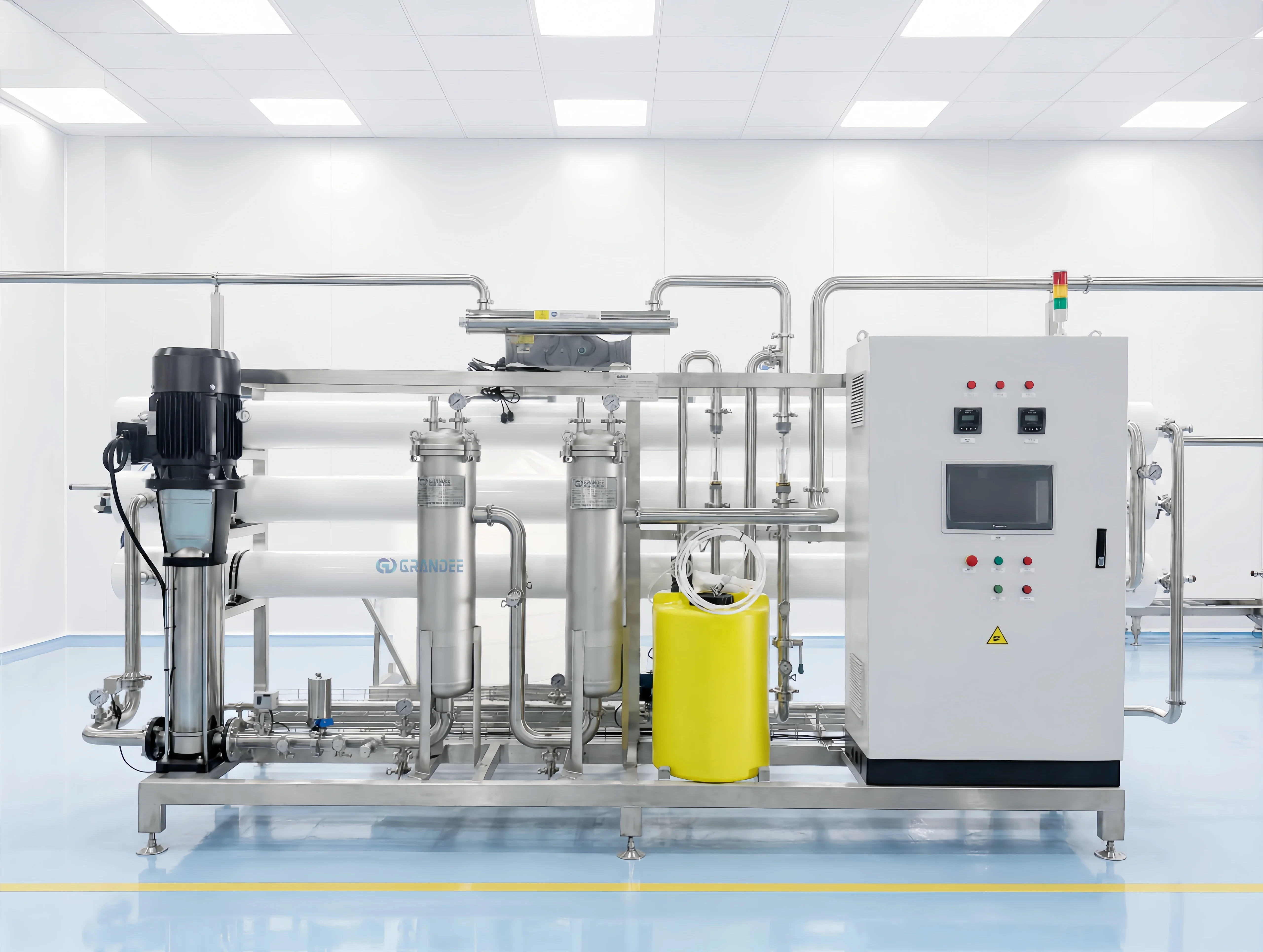
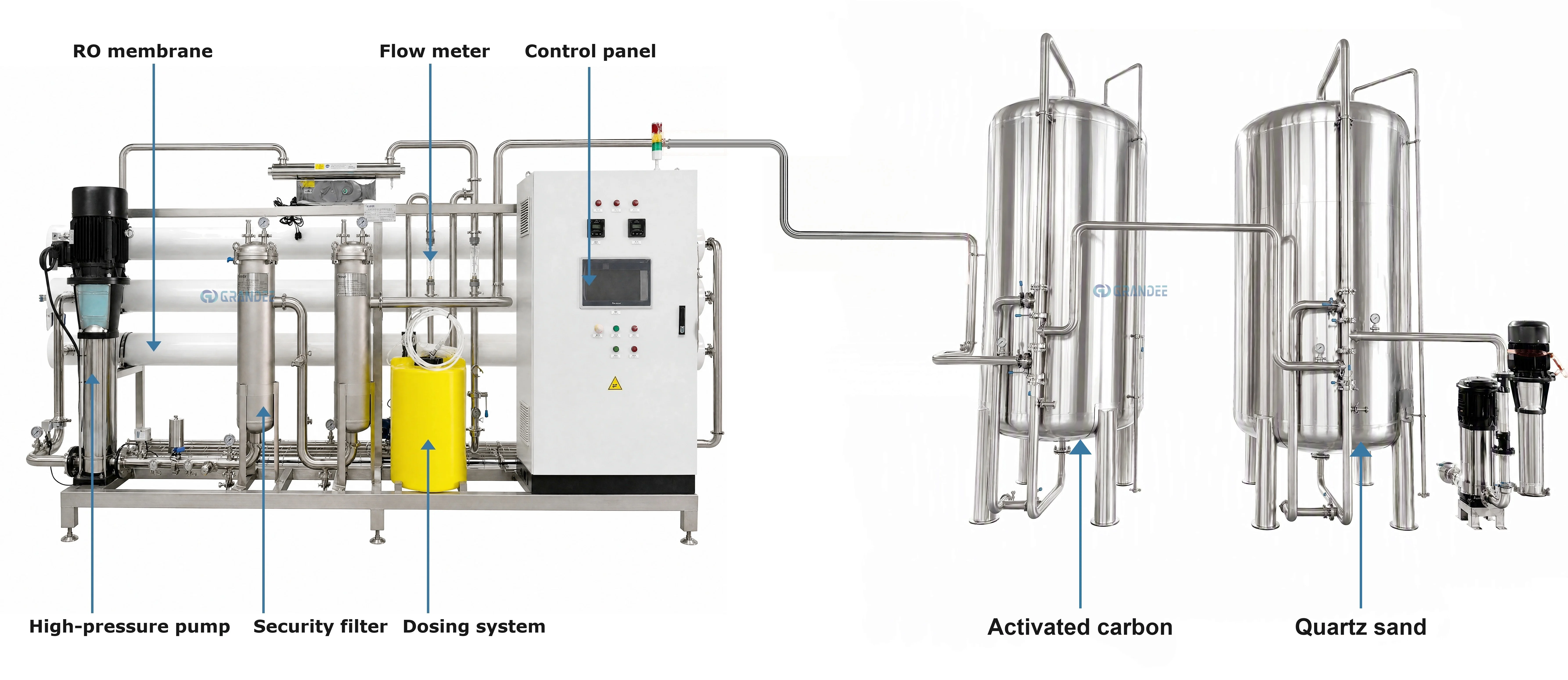
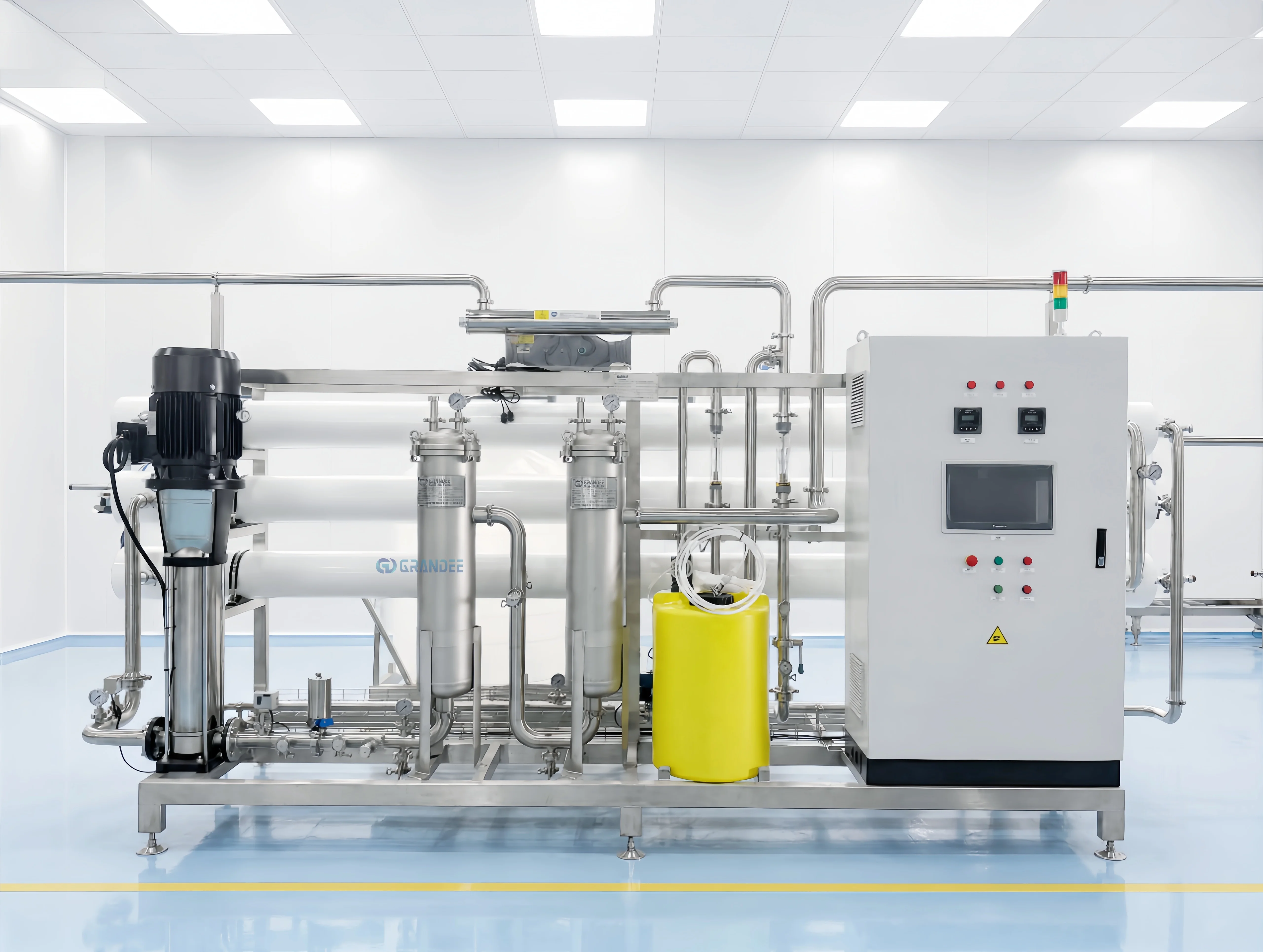
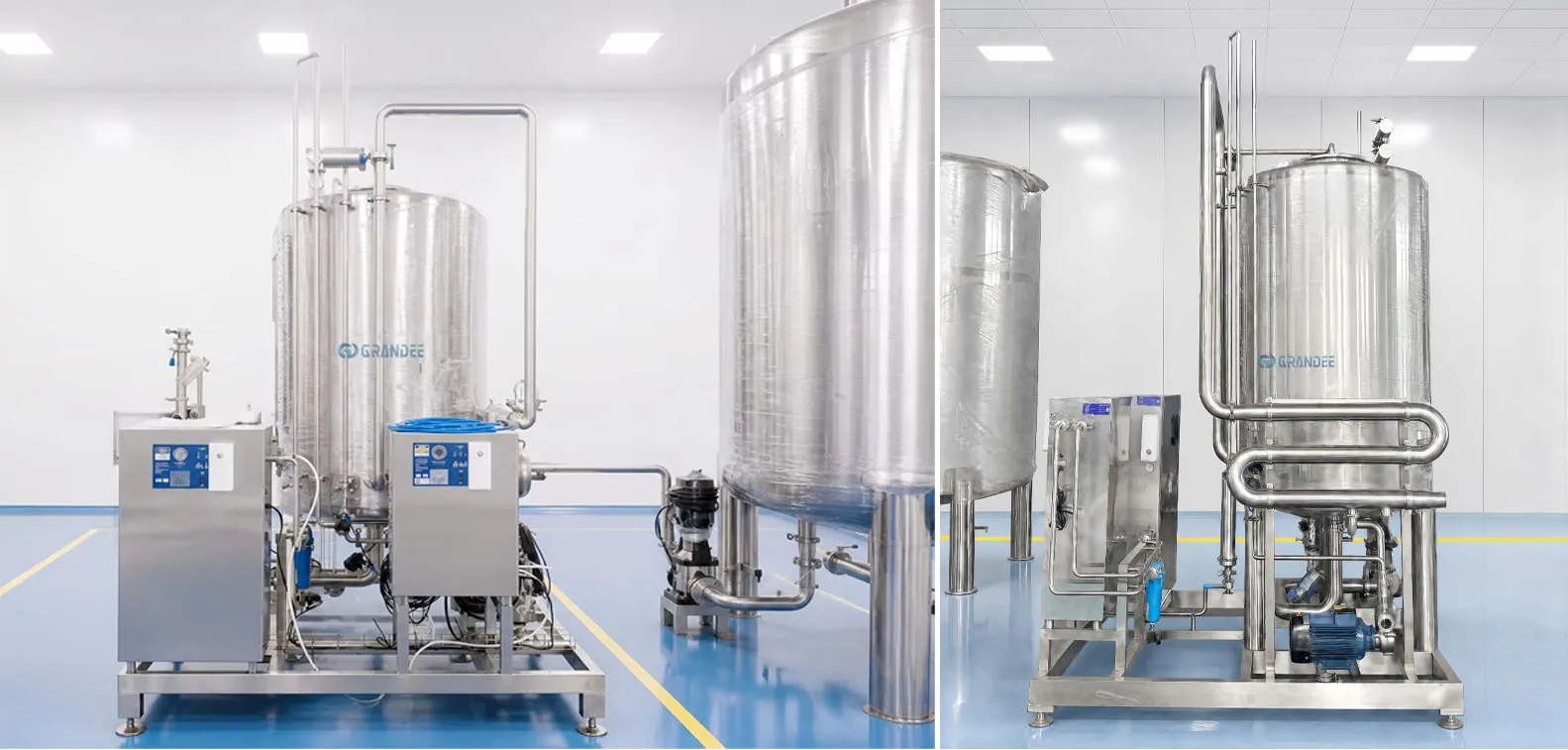
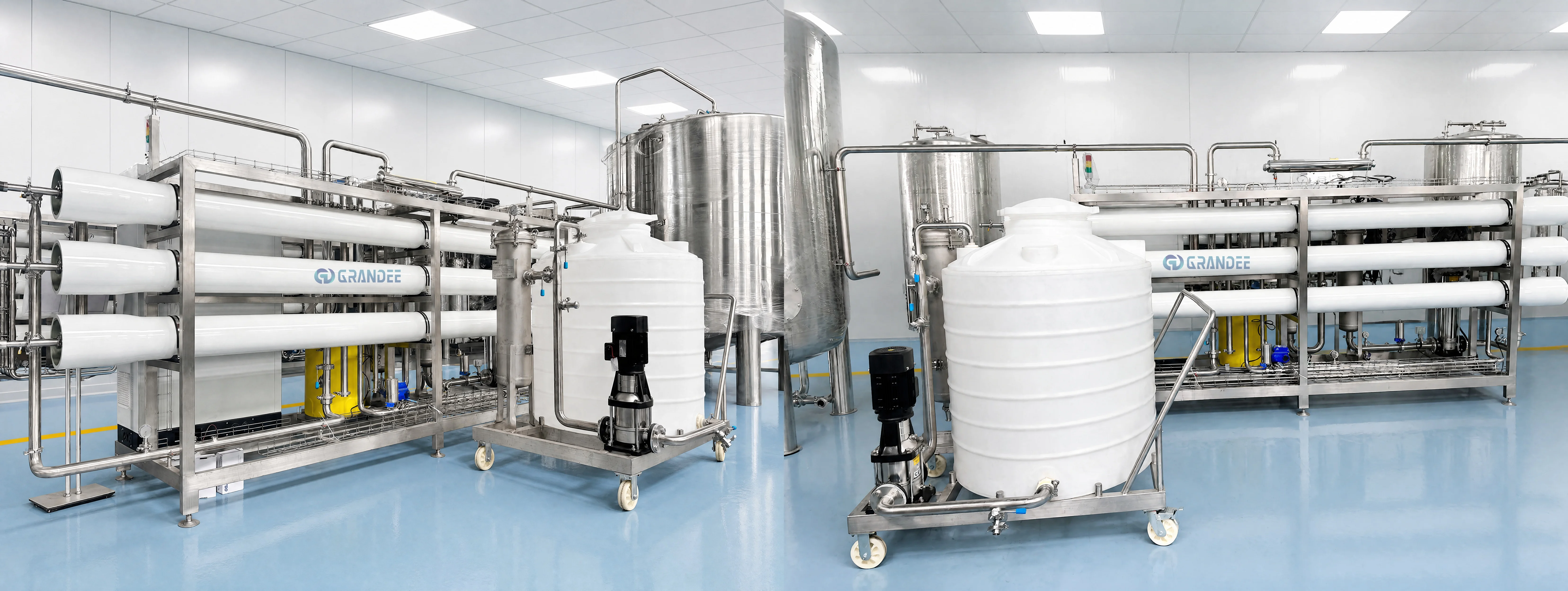
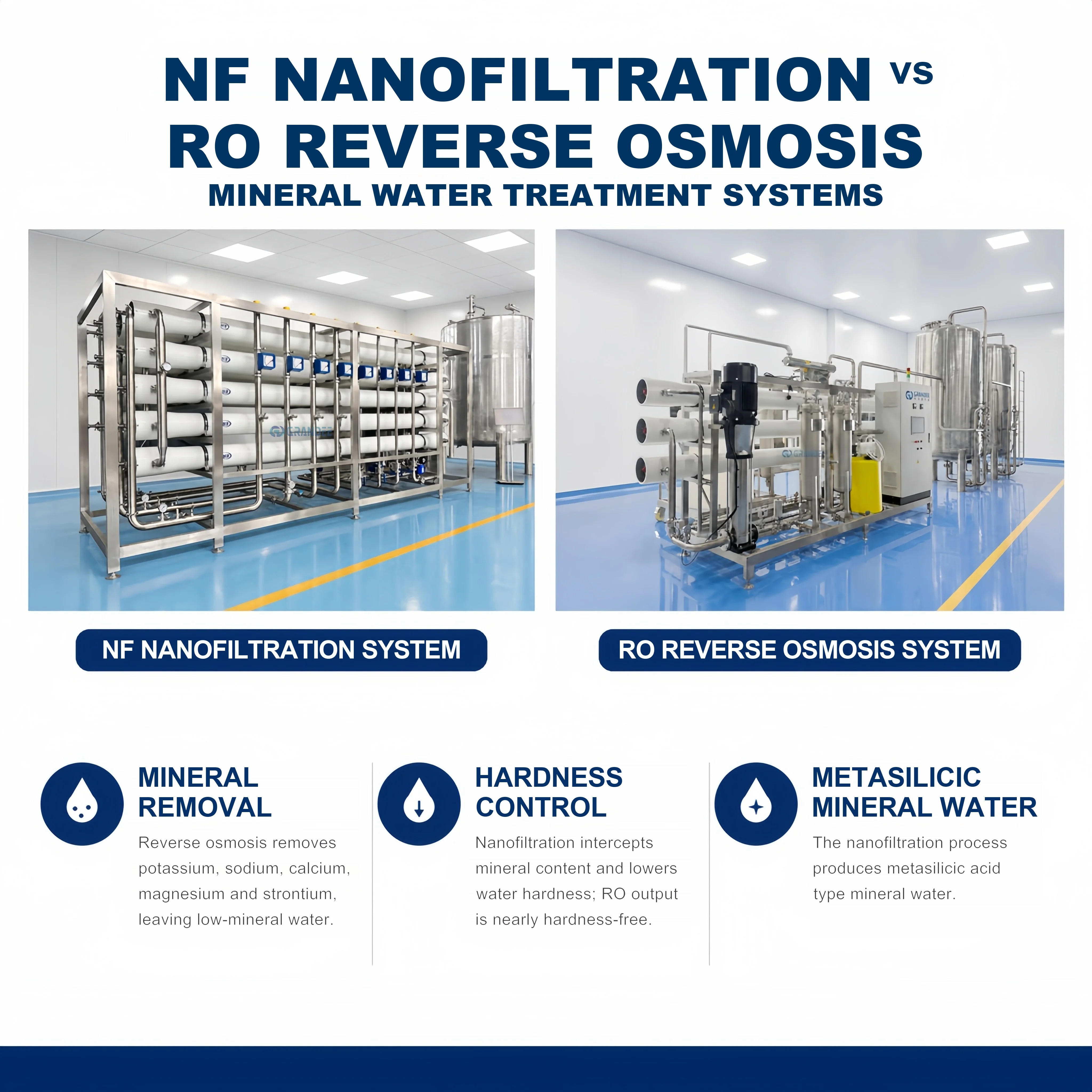
1.What water treatment stages do you include — sand filter, carbon filter, RO, UV, ozone?
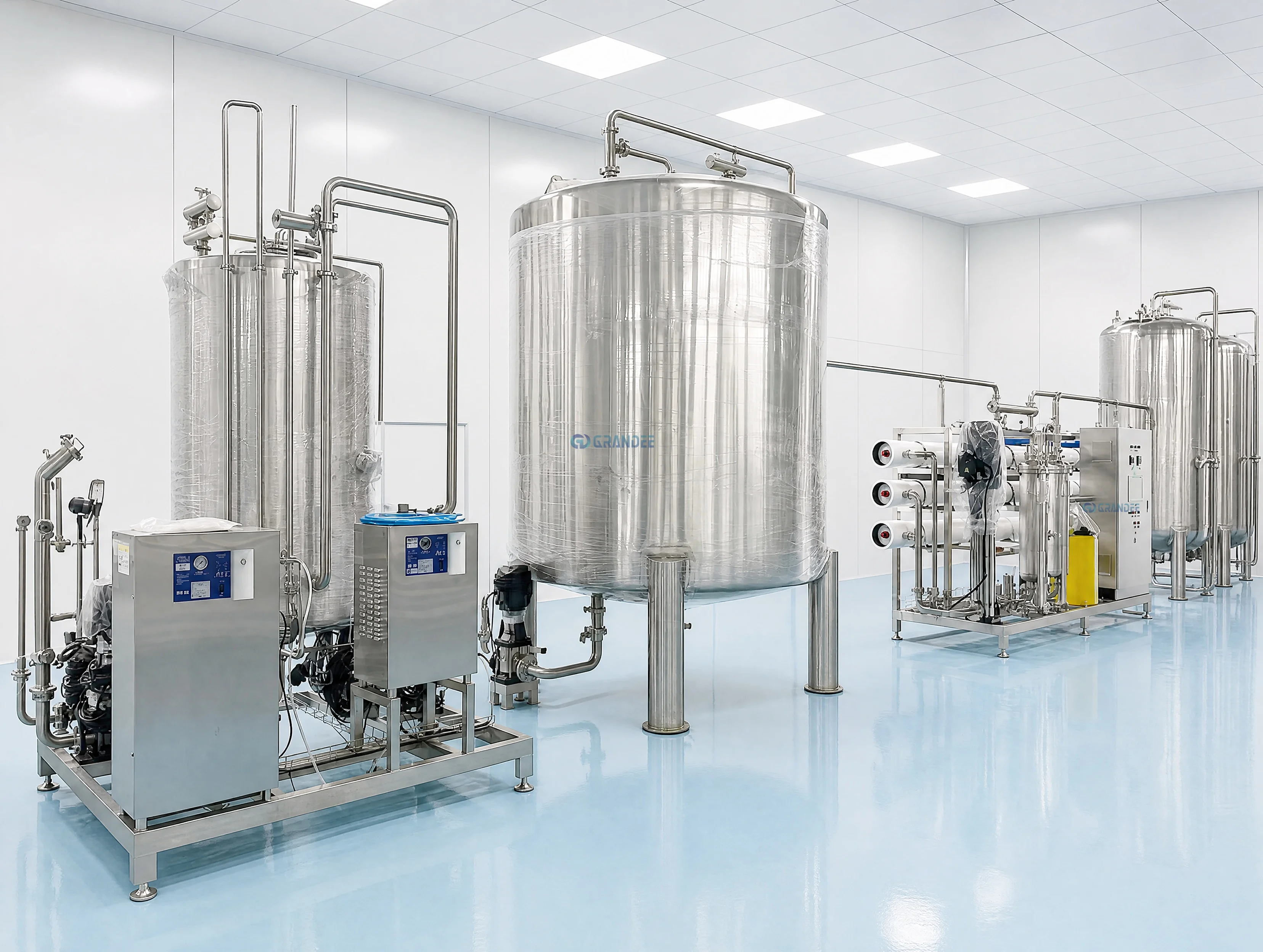
Our standard configuration typically includes the following stages, depending on the specific model and application:
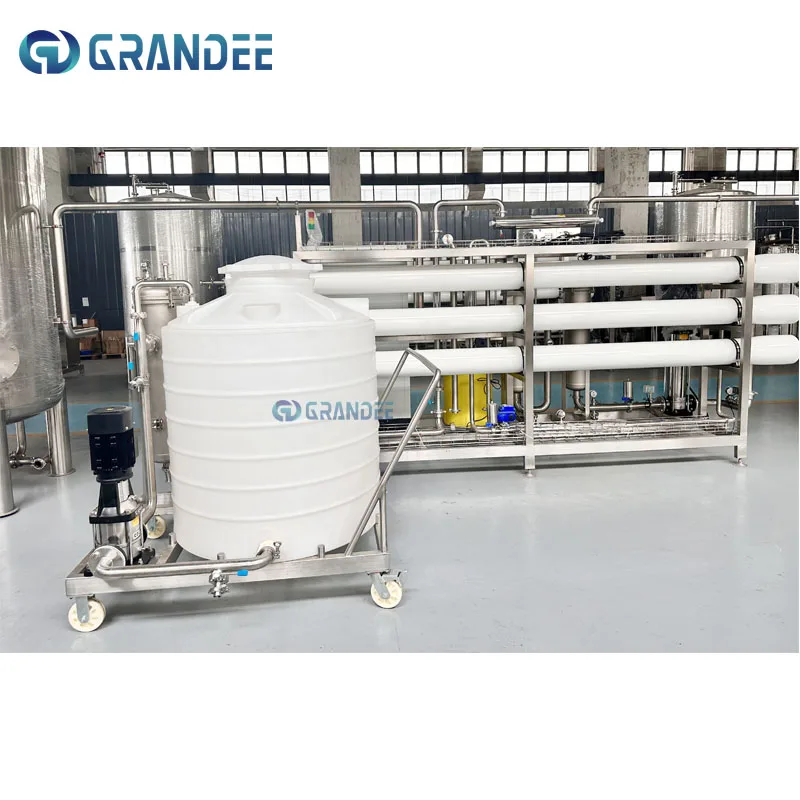
1. Multi‑media sand filter – for coarse particulate removal and reduction of turbidity.
2. Activated carbon filter – to remove chlorine, organic compounds, and unpleasant odors/tastes, protecting downstream membranes.
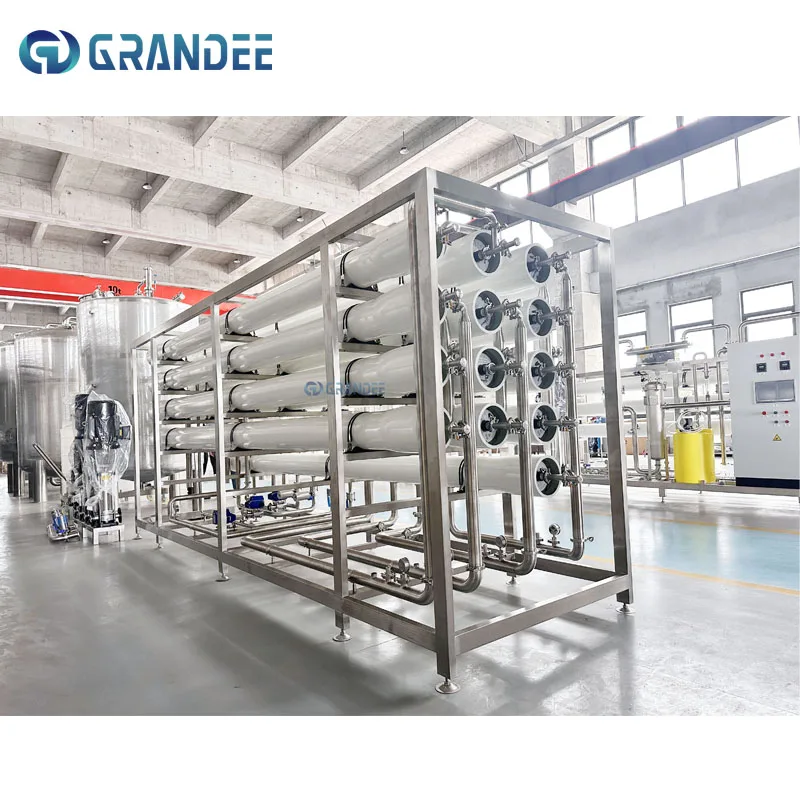
3. Reverse Osmosis (RO) system – as the core desalination step, effectively reducing total dissolved solids (TDS), heavy metals, and most chemical contaminants.
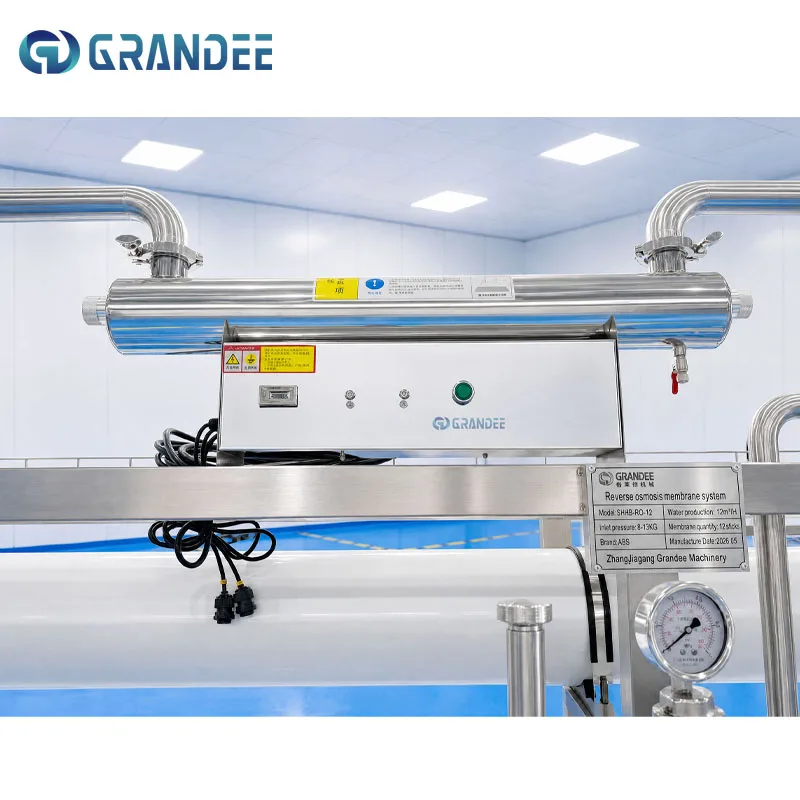
4. Ultraviolet (UV) disinfection – as a final microbiological barrier, inactivating bacteria and viruses without chemical residuals.
5. Ozone generator (optional) – for enhanced oxidation and disinfection, often applied in storage tanks to maintain water quality, though it may be bypassed for carbonation to avoid interfering with CO₂ dissolution.
Please note that not all stages are mandatory for every application; we offer tailored solutions based on feed water quality, required output purity, and end‑use (e.g., direct drinking, beverage mixing, or bottling). For standard carbonated beverage preparation, we generally recommend at least sand + carbon + RO + UV to ensure consistent taste and safety.
2.What water quality (TDS, turbidity) is required at the inlet for your RO system?
The feed water for our RO system must meet the following minimum specifications to ensure proper membrane performance and service life:
Parameter Requirement
TDS ≤ 1,000 mg/L (peak 1,800 mg/L for certain models)
Turbidity ≤ 1.0 NTU
SDI₁₅ ≤ 5.0
Free Cl₂ ≤ 0.1 mg/L
Iron/Mn ≤ 0.05 mg/L each
Hardness ≤ 170 mg/L as CaCO₃
pH 3 – 10
Temp. 5 – 45 °C
If your source water exceeds these values, we recommend installing appropriate pre‑treatment stages (e.g., sand filter, carbon filter, water softener, or antiscalant dosing) before the RO unit. Please note that the actual thresholds may vary slightly with different membrane brands; we can provide model‑specific data upon receiving your feed water analysis report.
3.What is the output capacity range of your water treatment systems?
Regarding your inquiry about output capacity of water treatment systems., we offer a versatile product line to meet diverse application needs:
· Compact / Residential series: [e.g., 100 – 1,000 LPD (liters per day)]
· Commercial / Light industrial series: [e.g., 1 – 10 m³/day]
· Industrial standard series: [e.g., 0.5 – 50 m³/h]
· Engineered-to-order solutions: up to [e.g., 200 m³/h] or higher, depending on feed water quality and site conditions.
Please note that the actual sustainable output is influenced by inlet TDS, temperature, and recovery rate. We typically design with a safety margin of 10–15% to ensure long-term membrane performance.
Should you specify your required flow rate and raw water analysis, we will promptly provide a customized proposal with detailed equipment selection and pricing.
4.What is the water recovery rate of your RO membrane system?
For our standard water RO units, the design recovery rate typically ranges from 50% to 75%, depending on the feed water TDS and pretreatment quality. Specifically:
· At feed TDS < 500 ppm, we recommend 70–75% recovery.
· At feed TDS between 500–2,000 ppm, we recommend 60–70% recovery.
· At feed TDS above 2,000 ppm, recovery is set at 50–60% to minimize scaling risks.
Please note that the recovery rate is defined as: R (%) = (Permeate Flow / Feed Flow) × 100. We can adjust this value within a certain range using the concentrate control valve, and we always provide a full mass balance calculation with our proposals.
If you have a specific feed water analysis, we can calculate the optimal recovery rate for your project and even offer high‑recovery options (up to 90%) with concentrate recycling and softening pretreatment.
5.Is the water treatment system suitable for well water, surface water and municipal water?
Water treatment system is suitable for well water, surface water, and municipal water.
· Well water – often contains high hardness, iron, manganese, and dissolved solids; may require a water softener and iron/manganese removal filter.
· Surface water (rivers, lakes) – typically has higher turbidity, suspended solids, and organic matter; requires robust coagulation/flocculation, sand filtration, and possibly ultrafiltration.
· Municipal water – usually already treated but contains residual chlorine; requires activated carbon filtration to remove chlorine before RO, as chlorine damages RO membranes.
Our standard system configuration includes a multi‑media filter + activated carbon filter + RO + UV/ozone, which serves as a solid foundation for most feed waters. We then fine‑tune the pretreatment train according to your specific water analysis.
To provide a definitive recommendation, we would need a comprehensive water quality report (TDS, turbidity, hardness, iron, manganese, chlorine, SDI, etc.). Once we review your data, we can confirm the exact system design and any additional components required.
6.How often do sand, carbon, iron, RO membranes, PP filter element need to be replaced?
Our recommended replacement intervals for standard municipal/well water (operating ~8h/day) are:
· PP Filter Cartridge : every 3–6 months (or when pressure drop > 0.7 bar).
· Sand filter media: every 2–3 years (or when effluent turbidity exceeds 1 NTU).
· Carbon filter media: every 1–2 years (or when chlorine breakthrough > 0.1 ppm).
· Iron removal media (e.g., manganese sand): every 2–3 years (or when effluent iron > 0.05 ppm).
· RO membranes: every 2–3 years (or when salt rejection drops below 95%, or permeate flow declines >15%).
These are estimates; actual lifespan depends on feed water quality, daily runtime, and pretreatment effectiveness. We recommend regular monitoring and data logging to determine exact replacement timing.
7.Do you provide after-sales service and membrane supply for the water treatment plant?
Our after‑sales framework includes:
1. Technical Support & Training
· Pre‑shipment: We provide detailed manuals, P&ID drawings, and 3D installation videos.
· On‑site commissioning by our engineers (subject to travel conditions) or remote guidance via video call.
· Operator training at our factory or on your site – we ensure your team understands routine operation, chemical cleaning (CIP), and troubleshooting.
2. Warranty Coverage
· Standard warranty: 24 months from the date of commissioning (excluding consumables like PP filters and media).
· Extended warranty options are available upon request.
3. Spare Parts & Membrane Supply
· We maintain a dedicated inventory of all wearing parts (pumps seals, pressure gauges, flow meters, valves, and cartridges).
· For RO membranes, we supply brand‑new OEM elements from DOW / Hydranautics, as per your original specification. We also offer high‑quality compatible membranes at competitive prices.
· Guaranteed availability for at least 5 years after system delivery – we will notify you proactively when approaching end‑of‑life.
4. Remote Monitoring & Emergency Response
· Optional‑based remote monitoring allows us to check system performance and predict issues before they occur.
· Emergency response via phone/email within 24 hours (or on‑site within 72 hours, depending on location).
 EN
 AR
 CS
 DA
 NL
 FR
 DE
 HI
 IT
 JA
 KO
 NO
 PL
 PT
 RU
 ES
 TL
 ID
 SK
 VI
 SQ
 TH
 TR
 MS
 GA
 MK
 HY
 AZ
 KA
 HT
 LO
 LA
 MN
 NE
 SO
 MY
 KK
 UZ
 KY
 SM