 EN
EN
 AR
AR CS
CS DA
DA NL
NL FR
FR DE
DE HI
HI IT
IT JA
JA KO
KO NO
NO PL
PL PT
PT RU
RU ES
ES TL
TL ID
ID SK
SK VI
VI SQ
SQ TH
TH TR
TR MS
MS GA
GA MK
MK HY
HY AZ
AZ KA
KA HT
HT LO
LO LA
LA MN
MN NE
NE SO
SO MY
MY KK
KK UZ
UZ KY
KY SM
SM
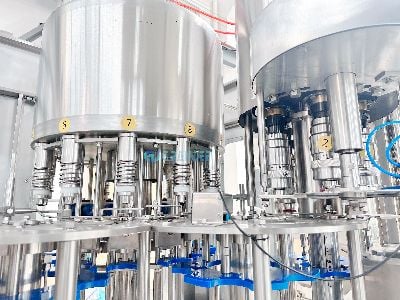
Upgrading your bottle filling machinery is a critical step for manufacturers looking to enhance production efficiency, improve product quality, and meet rising consumer demands. As a purchasing manager or product manager, you may have concerns about selecting the right equipment, ensuring compatibility with existing systems, and managing costs effectively. This article will guide you on how to upgrade your line with new bottle filling machinery, addressing key specifications, product quality evaluation, cost factors, and the applications of advanced machinery in various industries
How to Choose the Right Bottle Filling Machinery for Your Needs
Selecting the right water bottle filling machinery involves understanding your specific production requirements and the types of products you handle. Consider factors such as the bottle size, filling speed, and product viscosity. For instance, if you're dealing with viscous liquids like condiments, you will need machinery capable of handling thicker fluids without compromising accuracy
Additionally, assess the automation level of the equipment. Fully automated lines reduce labor costs and improve consistency, while semi-automated options might be more suitable for smaller operations with less volume. Finally, ensure that the machinery can integrate seamlessly with your existing processes and equipment, which may include capping, labeling, and Palletizing systems
Key Specifications to Consider When Upgrading Your Filling Equipment
When evaluating bottle filling machinery, focus on key specifications that impact performance and efficiency. These include
Filling Accuracy: This is critical for maintaining product quality and meeting regulatory standards. Look for machines that offer high precision in filling, which can be verified through testing samples before mass production
Production Speed: Measured in bottles per minute (BPM), this specification should align with your production targets. Consider how the machine’s speed can be adjusted based on different bottle sizes or product types
Material Compatibility: Ensure that the materials used in the machine—such as stainless steel for food applications—meet hygiene standards and are suitable for your specific products
Changeover Time: If your line will handle multiple products, assess how quickly and easily the machine can be reconfigured. Machines designed for quick changeovers minimize downtime and maximize productivity
Energy Efficiency: Given rising energy costs, selecting machines that consume less power can significantly reduce operational expenses over time
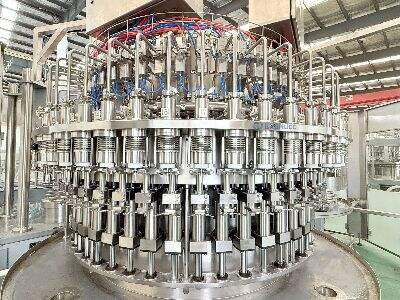
Evaluating Product Quality in Bottle Filling Machinery for Your Projects
Quality assurance is paramount when investing in new fully automatic water bottle filling machinery. Start by reviewing the manufacturer’s quality control processes. Reliable manufacturers, like GRANDEE MACHINE, implement stringent testing protocols to ensure that machinery meets industry standards
Request a demonstration or trial of the equipment to evaluate its performance under your specific conditions. Key areas to observe include
Fill Level Consistency: Verify that the machine maintains consistent fill levels across different production runs. Inconsistent filling can lead to product waste and customer dissatisfaction
Durability and Maintenance: Examine the machine's construction to ensure it is robust and designed for long-term use. Assess how easy it is to maintain, as regular maintenance is essential for minimizing downtime
User Feedback: Gather insights from existing users of the machinery. Their experiences can provide valuable information on performance, reliability, and after-sales support
Cost Factors to Consider When Upgrading Your Bottle Filling Line
Upgrading your bottle filling line involves several cost considerations beyond the initial purchase price. It's essential to take a holistic view of the total cost of ownership, which includes
Installation and Setup: Consider the costs associated with installing the new machinery, including any necessary modifications to your facility or existing production lines
Training Requirements: Investing in training for your staff to operate the new equipment efficiently can prevent operational hiccups. Factor this cost into your overall budget
Operating Costs: Analyze the energy consumption and maintenance costs associated with the new machinery. More advanced machines may offer energy savings that can offset higher upfront costs
Downtime: Plan for potential downtime during the installation and transition phases. This lost production time can significantly impact profitability
Spare Parts and Support: Understand the availability and cost of spare parts and the level of technical support provided by the manufacturer. Reliable support can minimize disruptions in case of machine failures
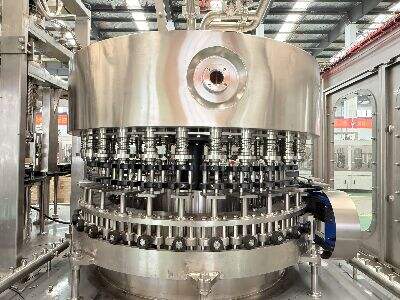
Applications of Advanced Bottle Filling Machinery in Various Industries
Advanced automatic water bottle filling machinery plays a crucial role across multiple industries, including dairy, beverage, and condiments. Each application has unique requirements that dictate the choice of equipment
Dairy Industry: Here, hygiene and precision are paramount. Machinery must be designed to handle pasteurized products without contamination. Automatic CIP (clean-in-place) systems can enhance sanitation processes
Beverage Industry: This sector often requires high-speed filling solutions that can accommodate various bottle sizes and shapes. Machines equipped with advanced technology can efficiently handle carbonated and non-carbonated beverages
Condiment Industry: For thicker products like sauces or dressings, filling machinery must provide accurate dosage while preventing product waste. Technologies such as piston fillers or gravity fillers are commonly used
Investing in the right bottle filling machinery tailored to your industry can significantly enhance operational efficiency, product quality, and customer satisfaction. When making this decision, consider not only the machine's specifications but also its suitability for your specific applications and production environment
By following the guidelines outlined, you can confidently upgrade your line with new bottle filling machinery that meets your business needs and positions your company for future growth
Table of Contents
- How to Choose the Right Bottle Filling Machinery for Your Needs
- Key Specifications to Consider When Upgrading Your Filling Equipment
- Evaluating Product Quality in Bottle Filling Machinery for Your Projects
- Cost Factors to Consider When Upgrading Your Bottle Filling Line
- Applications of Advanced Bottle Filling Machinery in Various Industries
