 EN
EN
 AR
AR CS
CS DA
DA NL
NL FR
FR DE
DE HI
HI IT
IT JA
JA KO
KO NO
NO PL
PL PT
PT RU
RU ES
ES TL
TL ID
ID SK
SK VI
VI SQ
SQ TH
TH TR
TR MS
MS GA
GA MK
MK HY
HY AZ
AZ KA
KA HT
HT LO
LO LA
LA MN
MN NE
NE SO
SO MY
MY KK
KK UZ
UZ KY
KY SM
SM
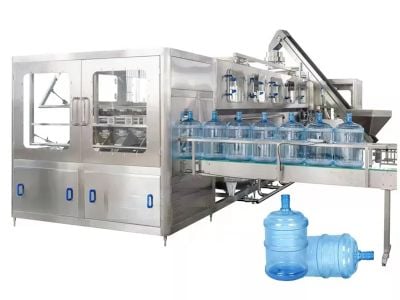
Modern Automatic Bottle Filling Machines A Complete Guide for Businesses
Modern automatic bottle filling machines are essential tools for businesses that need to package liquids quickly, accurately, and consistently. Instead of relying on manual filling, companies can use automated equipment to handle large production volumes while reducing spills, product waste, and labor requirements.
These machines can be designed for different bottle sizes and liquid types, making them useful across industries such as food and beverages, cosmetics, pharmaceuticals, household products, and cleaning supplies. Companies like GRANDEE MACHINE provide filling equipment with features designed to improve production efficiency and simplify daily operation.
For businesses planning to invest in this type of equipment, it is important to understand what to look for, where to find reliable suppliers, how to troubleshoot common problems, and how modern technology improves filling performance.
What Wholesale Buyers Need to Know About Automatic Bottle Filling Machines?
Wholesale buyers should begin by identifying the type of liquid they need to package. Water, oils, sauces, creams, syrups, detergents, and other liquids can have very different characteristics. Thin liquids may require a different filling system from thick or viscous products. Selecting equipment based on the liquid's properties can help improve accuracy and production performance.
Production speed is another important consideration. Businesses with high production volumes need a machine capable of filling a large number of bottles within a specific period. A suitable automatic bottle filling machine can help increase output while maintaining consistent filling levels.
Cleaning and maintenance should also be considered before making a purchase. Equipment that is difficult to clean can increase downtime and labor costs. Buyers should look for designs that provide convenient access to product-contact components and make routine cleaning easier.
Available space is another factor. Some filling systems are compact, while larger production lines require more floor space. Businesses should measure the installation area and consider space for operators, bottle movement, maintenance, and other equipment.
Warranty and technical support are equally important. A good warranty can provide protection for the investment, while responsive customer service can help businesses resolve technical problems. Buyers should also compare prices, specifications, production capacity, and long-term operating costs rather than choosing equipment based only on its initial price.
Where to Find Reliable Suppliers of Automatic Bottle Filling Machines?
Finding a reliable supplier is an important part of purchasing an automatic bottle filling machine. Businesses can begin their search by visiting manufacturers' websites to compare machine specifications, applications, production capacities, and available features.
Customer reviews can provide additional information about product performance and after-sales support. However, buyers should consider reviews alongside technical specifications and supplier experience rather than relying on reviews alone.
Trade shows and industrial exhibitions can also be useful. These events allow buyers to see filling machines operating in real production environments and speak directly with manufacturers. They can ask about filling accuracy, speed, maintenance requirements, customization, and compatibility with different products.
Recommendations from other companies can also help. Businesses operating in the same industry may have experience with particular suppliers and can share information about machine reliability and customer support.
Contacting manufacturers such as fully automatic water bottle filling machine directly can be another useful approach. A manufacturer may be able to recommend equipment based on the liquid being filled, bottle dimensions, production volume, and available workspace. Buyers can also ask whether demonstrations, samples, or testing services are available before making a large investment.
It is wise to request quotations from several suppliers. Comparing specifications, service, warranty terms, spare parts availability, and total ownership costs can help buyers make a more informed decision. The cheapest machine is not always the most economical choice if it requires frequent maintenance or cannot meet production requirements.
Troubleshooting Your Automatic Bottle Filling Machine
Even a reliable automatic bottle filling machine can experience occasional operating problems. Understanding basic troubleshooting steps can help operators identify simple issues before requesting professional assistance.
If the machine does not start, the first step is to check the power supply. Operators should confirm that the equipment is properly connected and that the main switch is turned on. If necessary, the appropriate circuit breaker or electrical protection system should also be checked according to the machine's instructions.
If the machine operates but liquid does not flow correctly, the filling nozzle should be inspected. Product residue or other material can sometimes block the liquid path. The nozzle and other product-contact components should be cleaned according to the manufacturer's recommended procedure.
Inconsistent filling levels are another common concern. Operators should check the programmed filling volume and make sure the settings match the required bottle size. Incorrect settings can result in under filled or overfilled containers.
Air supply, pumps, valves, sensors, and other components may also affect filling performance depending on the machine design. Operators should avoid making changes to components they are not qualified to service. Following the manufacturer's manual can help prevent accidental damage.
If a problem continues after basic checks, professional technical support should be contacted. GRANDEE MACHINE can provide assistance for more complicated equipment issues. Regular maintenance is also important because inspecting components and replacing worn parts can help reduce unexpected downtime and extend equipment service life.
How Modern Technology Enhances the Efficiency of Bottle Filling Machines?
Modern technology has significantly improved the performance of automatic bottle filling machines. Sensors are one important development. They can detect when bottles are correctly positioned and help coordinate filling operations. This can reduce unnecessary delays and improve consistency throughout the production process.
Touch-screen control systems have also made modern filling equipment easier to operate. Instead of relying entirely on traditional switches and mechanical controls, operators can use digital interfaces to adjust filling volumes, production speeds, and other settings.
Some advanced systems can store different production recipes or settings. This allows operators to switch between bottle sizes or products more efficiently instead of manually entering every setting each time. This can be particularly useful for businesses that package multiple products on the same production line.
Automation can also improve cleaning and maintenance procedures. Depending on the machine design, automated cleaning functions can reduce the amount of manual work required between production runs. This can help businesses reduce downtime while maintaining appropriate hygiene procedures.
Connectivity is another development in modern manufacturing equipment. Some automatic water bottle filling machine can collect operating information and provide alerts when certain conditions require attention. Monitoring production data can help operators identify potential problems earlier and improve maintenance planning.
Together, these technologies can make modern filling systems faster, more consistent, easier to operate, and better suited to high-volume production environments.
What Are the Key Benefits of Investing in an Automatic Bottle Filling Machine?
Investing in an automatic bottle filling machine can provide several important benefits for growing businesses. One of the biggest advantages is increased production speed. Manual filling requires workers to handle bottles individually, while automated equipment can process multiple containers according to its configuration and production capacity.
Accuracy is another major benefit. Automated filling systems are designed to dispense consistent quantities of liquid into containers. Better filling consistency can reduce product waste, minimize spills, and help businesses maintain more uniform products.
Automation can also improve workplace efficiency. Employees do not have to spend as much time performing repetitive filling tasks and can focus on other production, inspection, packaging, or quality-control activities. This can make better use of available labor.
A modern automatic water bottle filling machine can also support cleaner production processes. Reducing unnecessary manual contact with the product can help businesses maintain better hygiene and reduce potential contamination risks when the equipment is properly designed, operated, and sanitized.
Finally, automated filling equipment can support business growth. As demand increases, companies need production systems capable of handling larger volumes without sacrificing consistency. By selecting a machine that matches current requirements while allowing room for future production needs, businesses can build a more efficient and dependable packaging process.
Table of Contents
- What Wholesale Buyers Need to Know About Automatic Bottle Filling Machines?
- Where to Find Reliable Suppliers of Automatic Bottle Filling Machines?
- Troubleshooting Your Automatic Bottle Filling Machine
- How Modern Technology Enhances the Efficiency of Bottle Filling Machines?
- What Are the Key Benefits of Investing in an Automatic Bottle Filling Machine?
