 EN
EN
 AR
AR CS
CS DA
DA NL
NL FR
FR DE
DE HI
HI IT
IT JA
JA KO
KO NO
NO PL
PL PT
PT RU
RU ES
ES TL
TL ID
ID SK
SK VI
VI SQ
SQ TH
TH TR
TR MS
MS GA
GA MK
MK HY
HY AZ
AZ KA
KA HT
HT LO
LO LA
LA MN
MN NE
NE SO
SO MY
MY KK
KK UZ
UZ KY
KY SM
SM
Top Benefits of Using an Aseptic Filling Machine for Dairy Products
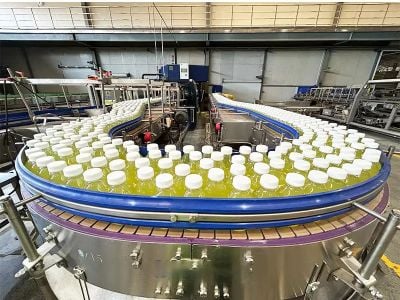
Using an aseptic filling machine for dairy products can provide many benefits for modern dairy businesses. These machines are designed to support hygienic filling and help protect products from contamination during packaging. Proper filling is especially important for dairy because milk, cream, yogurt drinks, and other dairy products can be sensitive to microorganisms and spoilage.
With suitable processing and packaging conditions, aseptic technology can help manufacturers extend product shelf life, reduce waste, improve distribution and maintain consistent product quality. At GRANDEE MACHINE, businesses can explore filling solutions designed to support efficient dairy production. Understanding how this technology works can help manufacturers decide whether an aseptic filling system is suitable for their production goals.
What Are the Key Advantages of Aseptic Filling in Dairy Processing?
One of the main advantages of an aseptic filling machine is its ability to support a highly hygienic packaging process. Dairy products are processed and packaged under controlled conditions to reduce the risk of contamination. Depending on the product and process, heat treatment may be used to reduce harmful microorganisms before the product is transferred into sterilized packaging. This process can help manufacturers produce dairy products with a longer shelf life when the complete aseptic system is properly designed and operated. Longer shelf life can provide businesses with more flexibility when storing and distributing products. Instead of depending entirely on short distribution windows, manufacturers may be able to send suitable products to markets farther away.
Another advantage is production efficiency. Modern filling systems can process large quantities of product with consistent filling accuracy. This can help dairy manufacturers meet customer demand while reducing the amount of manual work required during packaging. Flexibility is also important. Different dairy products may require different aseptic filling machine, container formats, or production settings. A suitable machine can provide manufacturers with greater flexibility when producing multiple product types.
Aseptic processing can also contribute to waste reduction. When products have an appropriate extended shelf life, there may be fewer losses caused by products expiring before they are sold. This can benefit both manufacturers and retailers while supporting more efficient use of resources.
Food safety requirements are another important consideration. Dairy manufacturers must follow applicable food safety regulations and maintain strict hygiene throughout production. An appropriately designed aseptic filling system can support these requirements as part of a complete food safety and quality-control program.
How Aseptic Filling Machines Enhance Dairy Product Shelf Life?
An aseptic filling machine can play an important role in extending the shelf life of properly processed dairy products. Dairy products can spoil when microorganisms are present and conditions allow them to multiply. Aseptic processing combines product treatment, packaging sterilization, and controlled filling conditions to reduce the possibility of contamination. In a typical process, the dairy product undergoes an appropriate thermal treatment designed to reduce microorganisms. The packaging and filling environment are also treated and controlled to maintain hygienic conditions. The product is then filled into suitable sterile packaging and sealed to protect it from contamination. This differs from ordinary filling because maintaining product safety involves more than simply placing liquid into a container.
The product, packaging materials, equipment, environment, and sealing process all need to work together. Extended shelf life can provide several business benefits automatic water bottle filling machine may have more time to transport products, retailers may have longer selling periods, and consumers can store suitable products for longer before opening them. This can be particularly useful when dairy products need to travel long distances. Longer shelf life can also reduce product losses. If fewer products expire during transportation or storage, businesses may reduce unnecessary waste. However, the actual shelf life depends on factors such as the product formulation, processing conditions, packaging, storage conditions, and validated production process. Product quality is equally important. Properly controlled processing and packaging can help manufacturers maintain the desired characteristics of dairy products throughout their intended shelf life. For dairy businesses, combining food safety with consistent quality is essential for maintaining customer confidence.
Where to Find the Best Aseptic Filling Machines for Dairy Wholesale?
When purchasing an aseptic filling machine for dairy production, businesses should look beyond the initial equipment price. The machine needs to match the product, packaging format, production volume, hygiene requirements, and available facility space.
A good starting point is to contact specialized filling-machine manufacturers and suppliers. GRANDEE MACHINE provides equipment solutions for businesses looking to improve their filling operations. Buyers can discuss their production requirements with the supplier before selecting a suitable system.
Trade shows and food-processing exhibitions can also be useful when researching equipment. These events allow manufacturers to compare different technologies, observe demonstrations, and speak directly with equipment suppliers. Seeing a machine operate can provide a better understanding of its controls, filling process, and production capabilities.
Industry recommendations are another useful source of information. Dairy manufacturers that already operate aseptic systems can share practical experiences about equipment operation, maintenance, cleaning, technical support, and production performance.
Before purchasing, buyers should also request detailed specifications. Important factors can include filling capacity, compatible container types, filling accuracy, automation level, cleaning procedures, sterilization requirements, energy consumption, maintenance needs, spare-parts availability, and after-sales support.
Warranty and technical assistance should also be considered. A sophisticated carbonated filling machine may require specialized maintenance, so reliable technical support can help reduce downtime when problems occur.
Comparing several suppliers can help businesses identify equipment that offers the right balance of price, performance, reliability, and long-term operating value. The cheapest machine is not necessarily the most cost-effective choice if it requires frequent repairs or cannot meet production requirements.
What Makes Aseptic Filling the Preferred Choice for Dairy Manufacturers?
Aseptic filling has become an important packaging technology for dairy manufacturers because it combines hygiene, efficiency, shelf-life management, and distribution flexibility. For businesses producing suitable dairy products, these benefits can make a significant difference in daily operations.
Safety is one of the most important reasons manufacturers consider an aseptic filling machine. Dairy products require careful control because contamination can affect product quality and consumer safety. A controlled filling environment helps reduce contamination risks when the entire process is properly designed, validated, monitored, and maintained.
Production efficiency is another major benefit. Automated filling equipment can handle large production volumes while maintaining consistent filling operations. This can reduce dependence on manual filling and help manufacturers respond to growing customer demand.
Aseptic technology can also support wider distribution. Products with validated extended shelf lives can potentially be transported over longer distances without relying on the same level of refrigeration required by some conventional dairy products. This can open opportunities for businesses that want to expand into new markets.
Waste reduction is another consideration. Longer shelf life can help reduce losses caused by products reaching their expiration dates before they are purchased. Lower waste can support better inventory management and may help manufacturers control production costs.
Finally, aseptic filling can support product diversification. Dairy businesses may produce different types of milk-based beverages, creams, and other suitable products in various packaging formats. The appropriate filling system can give manufacturers the flexibility needed to expand their product range.
For businesses evaluating dairy packaging equipment, choosing the right aseptic filling machine requires careful consideration of product requirements, production capacity, hygiene controls, packaging, maintenance, and supplier support. With the right system and proper process control, aseptic filling can help dairy manufacturers improve efficiency while delivering safe and consistent products to customers.
