 EN
EN
 AR
AR CS
CS DA
DA NL
NL FR
FR DE
DE HI
HI IT
IT JA
JA KO
KO NO
NO PL
PL PT
PT RU
RU ES
ES TL
TL ID
ID SK
SK VI
VI SQ
SQ TH
TH TR
TR MS
MS GA
GA MK
MK HY
HY AZ
AZ KA
KA HT
HT LO
LO LA
LA MN
MN NE
NE SO
SO MY
MY KK
KK UZ
UZ KY
KY SM
SM
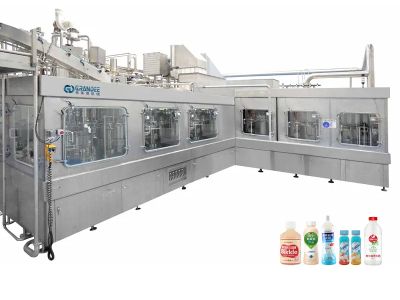
As the demand for efficient and safe liquid packaging continues to rise, the Global Trends in Aseptic Filling Machine Technology 2024 will play a crucial role in the beverage, dairy, and condiment industries. Aseptic filling technology ensures products are packaged in a sterile environment, thus extending shelf life and maintaining quality. This article will explore the upcoming trends in aseptic filling equipment technology, helping B2B buyers understand key considerations when selecting equipment to meet their operational needs.
What to Expect in 2024?
In 2024, the aseptic filling machine market is anticipated to evolve with a focus on automation, sustainability, and improved efficiency. Key trends include:
Increased Automation: The integration of smart technologies, such as IoT (Internet of Things) and AI, will enhance the efficiency of aseptic filling lines. These innovations allow for real-time monitoring and predictive maintenance, reducing downtime and operational costs.
Sustainability Initiatives: With rising environmental concerns, manufacturers are prioritizing eco-friendly practices. Expect to see a shift toward recyclable materials and energy-efficient machines that reduce waste and carbon footprints.
Customization and Flexibility: Buyers will increasingly demand machines that can handle various product types and packaging formats. This trend requires manufacturers to offer customizable solutions to adapt to changing consumer preferences and market dynamics.
Focus on Quality Assurance: Enhanced quality control measures, including better filtration systems and advanced detection technologies, will be vital in minimizing contamination risks and ensuring product integrity.
Overall, the aseptic filling machine technology landscape in 2024 will be characterized by innovations that prioritize efficiency, sustainability, and adaptability.
How to Choose the Right Aseptic Filling Machine for Your Needs?
Selecting the right aseptic filling machine involves several crucial considerations:
Product Compatibility: Different products have unique filling requirements. Evaluate whether the machine can accommodate liquid viscosity, pH levels, and other characteristics specific to your product. For instance, dairy products may require different handling than beverages.
Production Capacity: Assess your production volume needs. Machines vary in throughput capabilities, so understanding your expected output will help in selecting a model that can meet demand without compromising quality.
Machine Configuration: Consider the machine’s design and layout. The aseptic filling system should be compatible with your existing production line. A thorough analysis of space requirements and potential bottlenecks is essential for seamless integration.
Regulatory Compliance: Ensure that the equipment meets industry standards and regulations, particularly those related to food safety and hygiene. Certifications from relevant authorities can provide assurance of compliance.
Customization Options: If your operations require unique specifications, look for manufacturers that offer customization capabilities. Custom solutions can enhance efficiency and address specific production challenges.
Total Cost of Ownership: Beyond the initial purchase price, consider maintenance costs, energy consumption, and potential downtime. A higher upfront investment may be justified if it leads to long-term savings and efficiency gains.
By addressing these factors, buyers can make informed decisions that align with their operational needs and business goals.
What to Look for in Aseptic Filling Equipment?
When evaluating aseptic filling equipment, keep the following aspects in mind:
Material Quality: The construction materials of the filling machine significantly affect durability and performance. Stainless steel is often preferred for its corrosion resistance and ease of cleaning. Verify that materials comply with industry standards for food safety.
Automation Features: Advanced automation capabilities can streamline operations. Look for aseptic filling lines machines with efficient controls, user-friendly interfaces, and real-time monitoring systems to enhance operational efficiency.
Maintenance Requirements: Assess the maintenance needs of the machine. Equipment that is easy to clean and service will reduce downtime and labor costs. Consider systems with accessible components for quick maintenance.
Sealing Technology: The sealing mechanism is critical for ensuring product integrity. Investigate various sealing techniques and ensure the chosen method aligns with your packaging requirements.
Energy Efficiency: Evaluate the energy consumption of the machine. Energy-efficient designs can lead to significant cost savings over time and contribute to sustainability goals.
By focusing on these key features, buyers can select aseptic filling equipment that enhances productivity and meets quality standards.
Common Problems with Aseptic Filling Machines and Their Solutions
Despite advancements in aseptic filling technology, challenges can arise. Here are some common issues and recommended solutions:
Contamination Risks: Contamination can occur if the machine is not properly maintained. Regular cleaning and sanitization routines, along with advanced filtration systems, can minimize these risks. Implementing a routine maintenance schedule can help identify potential issues before they escalate.
Inconsistent Filling Volumes: Variations in filling volumes can lead to product waste and consumer dissatisfaction. Ensure that the machine is calibrated correctly and that sensors are functioning properly. Regular testing and adjustments are essential for maintaining accuracy.
Equipment Downtime: Downtime can severely impact production efficiency. Invest in machines with predictive maintenance features that alert operators to potential failures before they occur. This proactive approach can help reduce unplanned outages.
Difficulty in Changeovers: Frequent product changes can complicate operations. Look for machines designed for rapid changeovers to minimize downtime. User-friendly interfaces and modular designs can facilitate quicker adjustments.
Regulatory Non-compliance: Non-compliance with safety regulations can have severe repercussions. Regular audits and certifications should be part of your operational routine to ensure adherence to industry standards.
Addressing these common problems with proactive measures and regular maintenance can enhance the reliability and efficiency of aseptic filling operations.
Applications of Aseptic Filling Machines in the Beverage Industry
Aseptic filling machines serve a variety of applications within the beverage industry, including:
Juices and Soft Drinks: Aseptic filling technology allows for the packaging of juices and soft drinks without the need for preservatives, maintaining flavor and nutritional value while extending shelf life.
Dairy Products: Milk and yogurt can be packaged aseptically to ensure safety and freshness. This method also allows for longer shelf life without refrigeration, appealing to consumers seeking convenience.
Functional Beverages: Health-focused drinks, such as those containing probiotics or vitamins, benefit from aseptic filling as it preserves the integrity of sensitive ingredients.
Condiments and Sauces: Aseptic filling technology is also applicable for packaging condiments, which require a sterile environment to prevent spoilage and maintain quality.
Plant-Based Beverages: The rise of plant-based drinks has led to increased demand for aseptic filling machines that can accommodate various formulations while ensuring product safety.
In summary, aseptic filling machines are integral to the beverage industry, providing solutions that enhance product quality, safety, and shelf life across various applications. By understanding these applications and the technology behind them, buyers can make informed decisions when selecting aseptic filling equipment.
