 EN
EN
 AR
AR CS
CS DA
DA NL
NL FR
FR DE
DE HI
HI IT
IT JA
JA KO
KO NO
NO PL
PL PT
PT RU
RU ES
ES TL
TL ID
ID SK
SK VI
VI SQ
SQ TH
TH TR
TR MS
MS GA
GA MK
MK HY
HY AZ
AZ KA
KA HT
HT LO
LO LA
LA MN
MN NE
NE SO
SO MY
MY KK
KK UZ
UZ KY
KY SM
SM
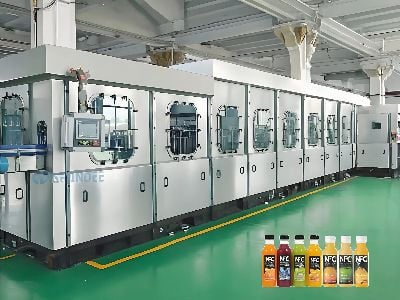
Choosing the right juice filling machine is crucial for small to medium enterprises looking to enhance their packaging processes. The best juice filling machine for small to medium enterprises not only streamlines production but also ensures product quality and compliance with industry standards. This article will address key concerns for purchasing managers and decision-makers, providing insights on selection criteria, quality evaluations, supplier sourcing, installation guidance, and wholesale purchasing considerations
How to Choose the Best Juice Filling Machine for Your Needs
Selecting the ideal fruit juice filling machine involves understanding your specific operational requirements. Key factors to consider include the machine's capacity, the type of juice being packaged, and the production environment
Capacity Requirements: Assess your production volume to determine the filling speed and capacity needed. Machines are often rated by bottles per hour, so choose one that aligns with your expected output
Filling Technology: There are various filling methods, such as gravity filling, pressure filling, and vacuum filling. Each method has its advantages depending on the viscosity of the juice and the desired shelf life. For instance, pressure filling is ideal for carbonated beverages, while gravity filling suits thinner liquids
Compatibility: Ensure the machine can handle different bottle sizes and shapes, as well as accommodate your labeling and capping equipment. A versatile machine can save costs and reduce downtime when changing product lines
Automation Level: Consider whether you need a fully automated system or a semi-automated one. Automated systems reduce labor costs and minimize human error, while semi-automated machines might be more affordable for smaller operations
Regulatory Compliance: Ensure the machine adheres to food safety and sanitation standards. Machines should be made from food-grade materials, easy to clean, and designed to minimize contamination risks
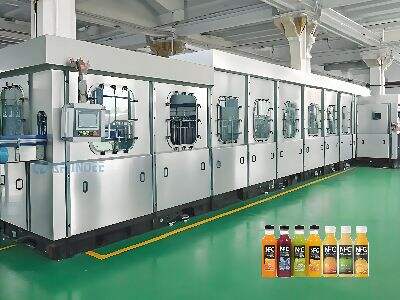
Evaluating the Quality of Juice Filling Machines for SMEs
Quality is paramount when investing in a juice filling machine. Here are some evaluation criteria to help you make an informed decision
Material and Construction: Look for machines constructed from stainless steel or other corrosion-resistant materials, which offer durability and ease of cleaning. The construction should also accommodate high-speed operations without compromising safety
Precision and Accuracy: Evaluate the machine’s filling accuracy, as overfilling or under-filling can lead to product waste and customer dissatisfaction. Precision in filling can also impact your cost efficiency and compliance with labeling regulations
Quality Control Features: Advanced machines may include built-in quality control systems that monitor fill levels and seal integrity. These features can help catch errors early in the production process
Manufacturer Reputation: Research the manufacturer's history, customer reviews, and case studies. A reputable supplier should have a track record of reliable service and support, as well as a transparent quality assurance process
After-Sales Support: Consider the availability of training, maintenance, and spare parts. A supplier that offers comprehensive support ensures your operations can run smoothly even if issues arise
Where to Source Reliable Juice Filling Machine Suppliers
Finding trustworthy suppliers is critical for securing a quality small juice filling machine. Start by
Industry Networks: Leverage industry connections, trade shows, and exhibitions where manufacturers showcase their latest technologies. Engaging with peers can provide recommendations and insights into reputable suppliers
Online Marketplaces: Utilize platforms like Alibaba or ThomasNet to find various manufacturers. Look for suppliers with verified ratings and customer feedback to gauge their reliability
Direct Manufacturer Contact: Reach out to manufacturers like GRANDEE MACHINE, known for their intelligent liquid packaging equipment. Inquire about their capabilities, certifications, and product offerings to assess if they meet your specific needs
Requesting Quotes: When contacting suppliers, provide detailed information about your requirements, including production volume, juice type, and any customization needs. This can help suppliers provide accurate quotes and recommendations
Evaluating Proposals: Compare multiple suppliers based on cost, machine specifications, delivery timelines, and after-sales service. Consider factors like warranty and support commitments to ensure long-term satisfaction
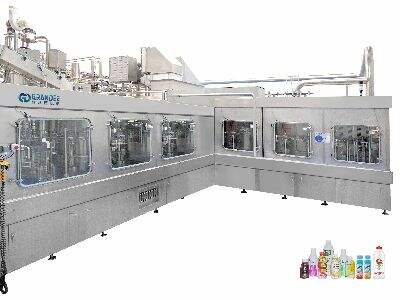
Installation Guidance for Your New Juice Filling Machine
Proper installation is crucial for optimal machine performance. Here are steps to consider
Site Preparation: Ensure that the installation site meets all operational requirements, including space, power supply, ventilation, and accessibility for maintenance
Professional Installation: Engage professionals from the supplier, if available, for the installation process. Their expertise can help avoid common pitfalls and ensure that the machine is correctly calibrated
Testing and Calibration: After installation, conduct thorough testing of the machine to ensure it operates according to specifications. This includes checking fill accuracy, speed, and compatibility with other equipment in the production line
Training Personnel: Ensure that your staff receives adequate training on the machine's operation, maintenance, and troubleshooting processes. Well-trained employees can minimize downtime and improve overall efficiency
Regular Maintenance Schedule: Establish a maintenance schedule to keep the machine in top condition. Routine inspections can help identify potential issues before they affect production
Wholesale Purchasing Considerations for Juice Filling Equipment
When purchasing juice filling equipment in bulk, several factors come into play
Minimum Order Quantities (MOQ): Understand the supplier's MOQ, which can affect pricing and availability. Some suppliers may offer discounts for larger orders, but this should align with your production needs
Negotiating Costs: Don’t hesitate to negotiate prices based on order volume. Suppliers often have flexibility in pricing for bulk purchases, and securing favorable terms can lead to significant savings
Lead Times: Confirm lead times for delivery, especially if you have specific project deadlines. Ensure that the supplier has a reliable supply chain to meet your delivery expectations
Payment Terms: Discuss payment options and terms with the supplier. Favorable terms can help manage cash flow, particularly for small to medium enterprises
Quality Assurance Agreements: Before finalizing the purchase, establish clear quality assurance agreements. This includes specifications for machine performance, support for any defects or issues, and procedures for quality checks upon delivery
By thoroughly understanding these considerations, small to medium enterprises can confidently invest in the best juice filling machine for their needs, ensuring a smooth and efficient production process
